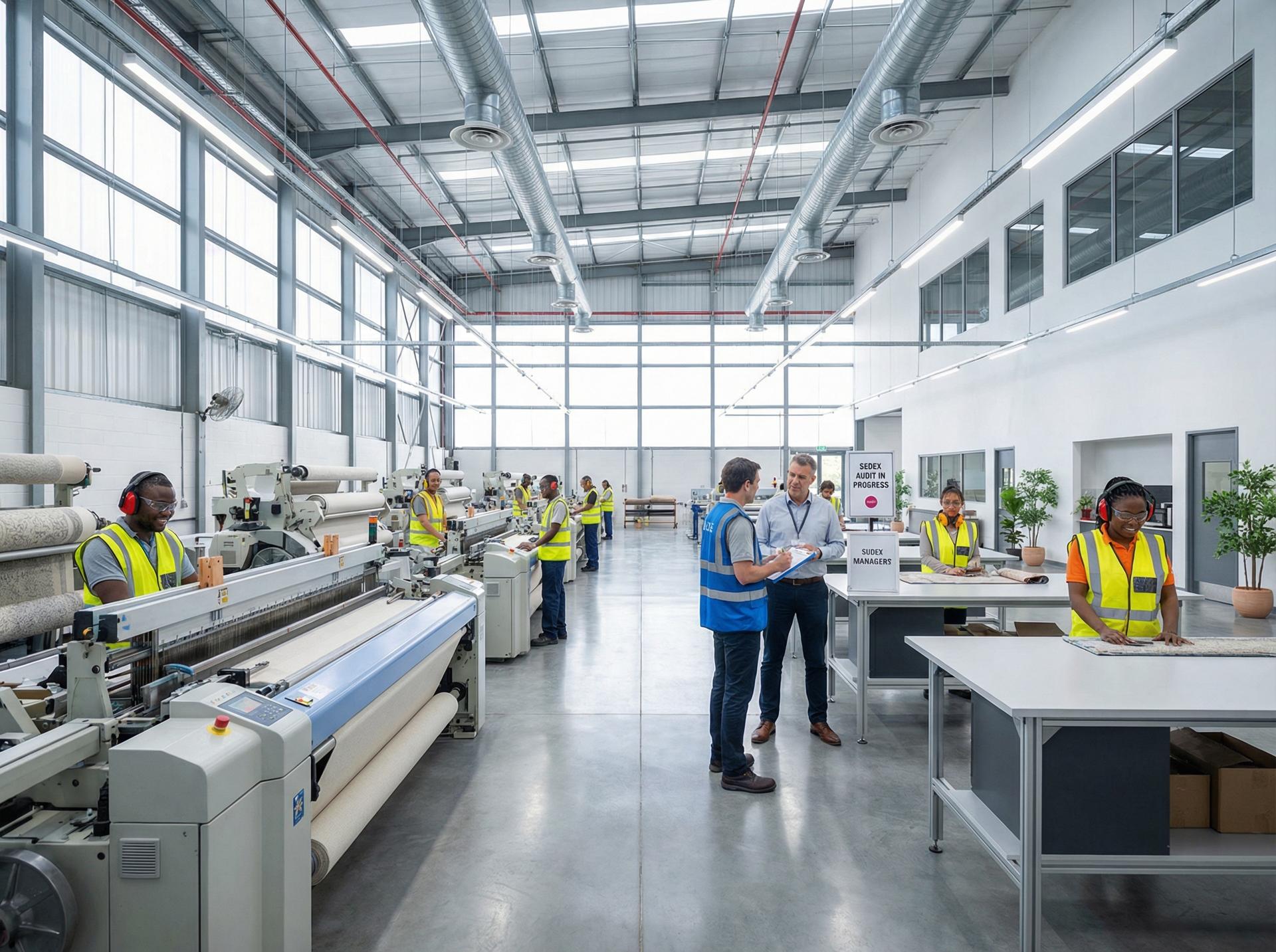
Flatweave rugs represent one of humanity's oldest textile traditions. Without pile, these rugs are created by interlocking warp and weft threads in patterns that are reversible and remarkably durable.
Traditional Flatweave Styles
Dhurries: India's iconic flatweaves feature crisp geometric patterns and cotton or wool construction. Lightweight and versatile, they suit casual elegance.
Kilims: Persian and Turkish kilims showcase intricate tribal motifs passed through generations. Their flat surface makes them ideal for layering.
Soumak: This brocading technique creates textured surfaces with a distinctive herringbone effect.
Modern Applications
Contemporary designers prize flatweaves for their clean aesthetic, easy maintenance, and suitability for high-traffic areas. Their thin profile works well under furniture and in spaces where raised pile would be impractical.


